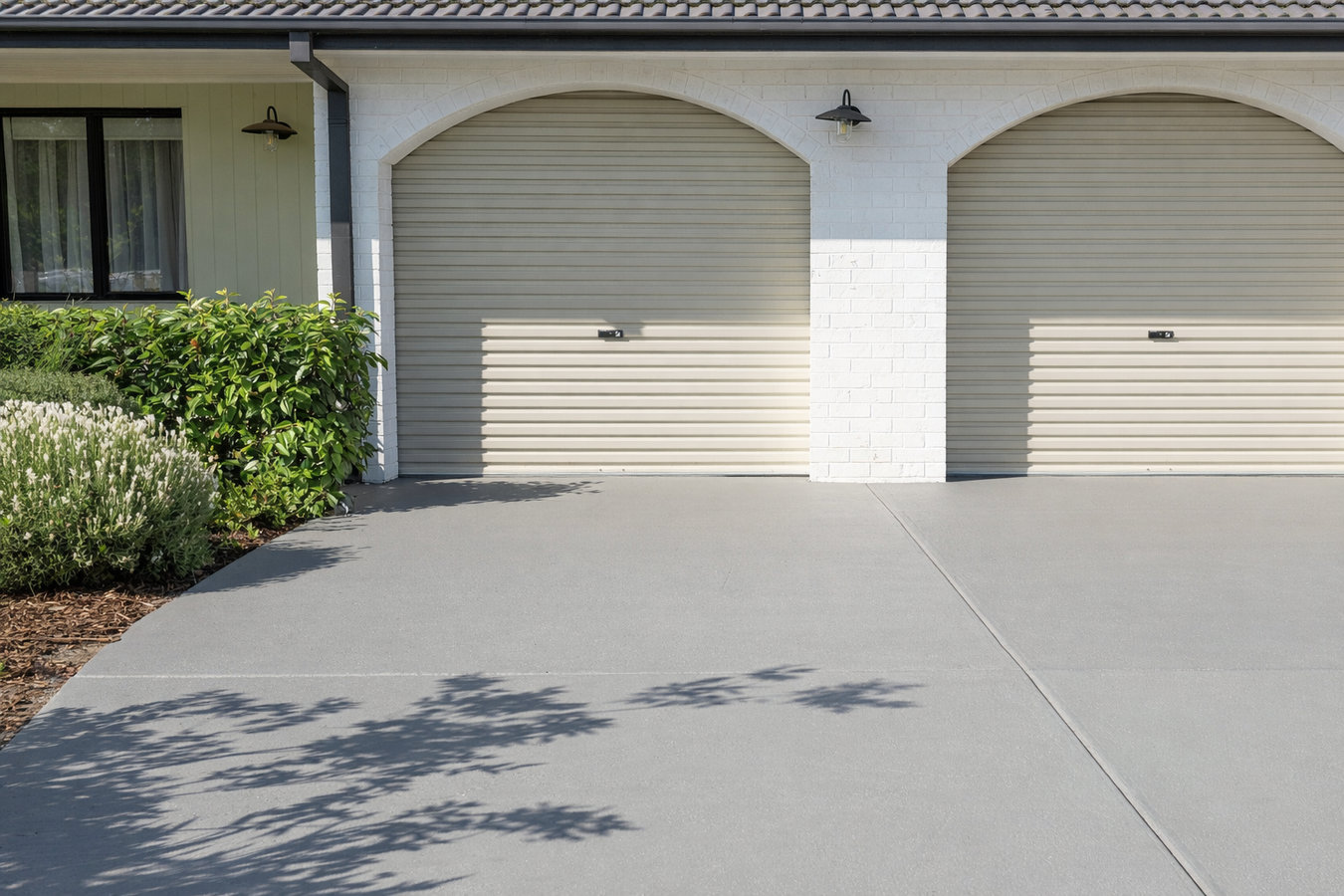
Norwalk is one of the denser cities in southeastern Los Angeles County, with about 99,000 residents packed into just under 10 square miles. Most of the housing was built during the postwar suburban boom of the 1950s and 1960s, which means the original concrete driveways, walkways, and patio slabs from those decades are now 60 to 70 years old. At that age, patching surface cracks is rarely sufficient. The underlying issue in Norwalk is almost always the clay-heavy soil, which absorbs winter rainfall and swells, then shrinks back during the dry months. That movement works on concrete the same way bending a piece of metal back and forth works - eventually the material gives way.
Norwalk lots are small, typically 5,000 to 7,000 square feet, which means driveways and patios cover a significant portion of the total lot. When that concrete fails, it affects how the property looks from the street and how safely residents can move across it. The city also has a meaningful number of older apartment buildings and duplexes from the 1960s and 1970s, properties where parking areas, walkways, and exterior slabs see heavy daily use and often receive less maintenance attention than single-family homes. Concrete work in Norwalk rewards proper base preparation more than almost any other investment, because the underlying soil conditions guarantee that shortcuts will show up as problems within a few years.