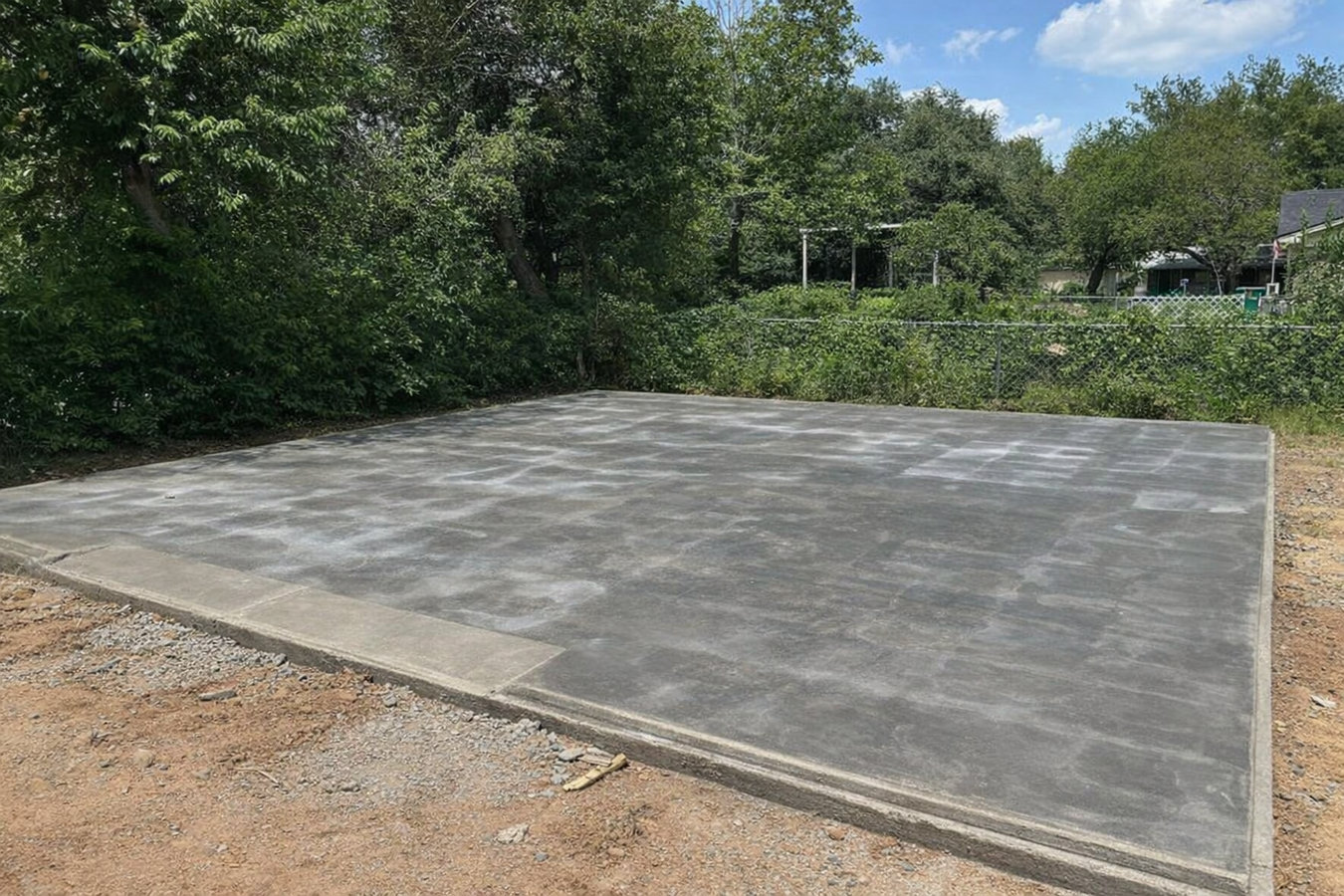
West Covina grew rapidly after World War II, filling in quickly as returning veterans and young families moved east from Los Angeles into the San Gabriel Valley. The bulk of the city was built between 1950 and 1980, which means most homes here are now 45 to 75 years old. Original driveways, patios, and slabs poured during that era were built to the standards of the time - and those standards did not anticipate what 50-plus cycles of wet winters and dry summers do to concrete sitting on expansive clay soil. The ground here swells when it absorbs rain and shrinks back when it dries, and that movement is the primary reason concrete across West Covina cracks, shifts, and eventually fails at the slab level rather than just the surface.
West Covina is an incorporated city with roughly 106,000 residents, and about 57 percent of its housing units are owner-occupied. With median home values around $600,000 to $650,000, these properties represent real financial assets that owners have reason to protect and maintain. A contractor who understands the permit process through the City of West Covina Building and Safety Division, knows what the soil on a typical 6,000-square-foot lot here actually needs under a new slab, and can deliver work that holds up to the local climate cycle is the difference between concrete that lasts 30 years and concrete that requires attention again within a few seasons.