Concrete footings
If your new parking area connects to a garage or carport, properly sized footings are the starting point for a structure that lasts.
Learn more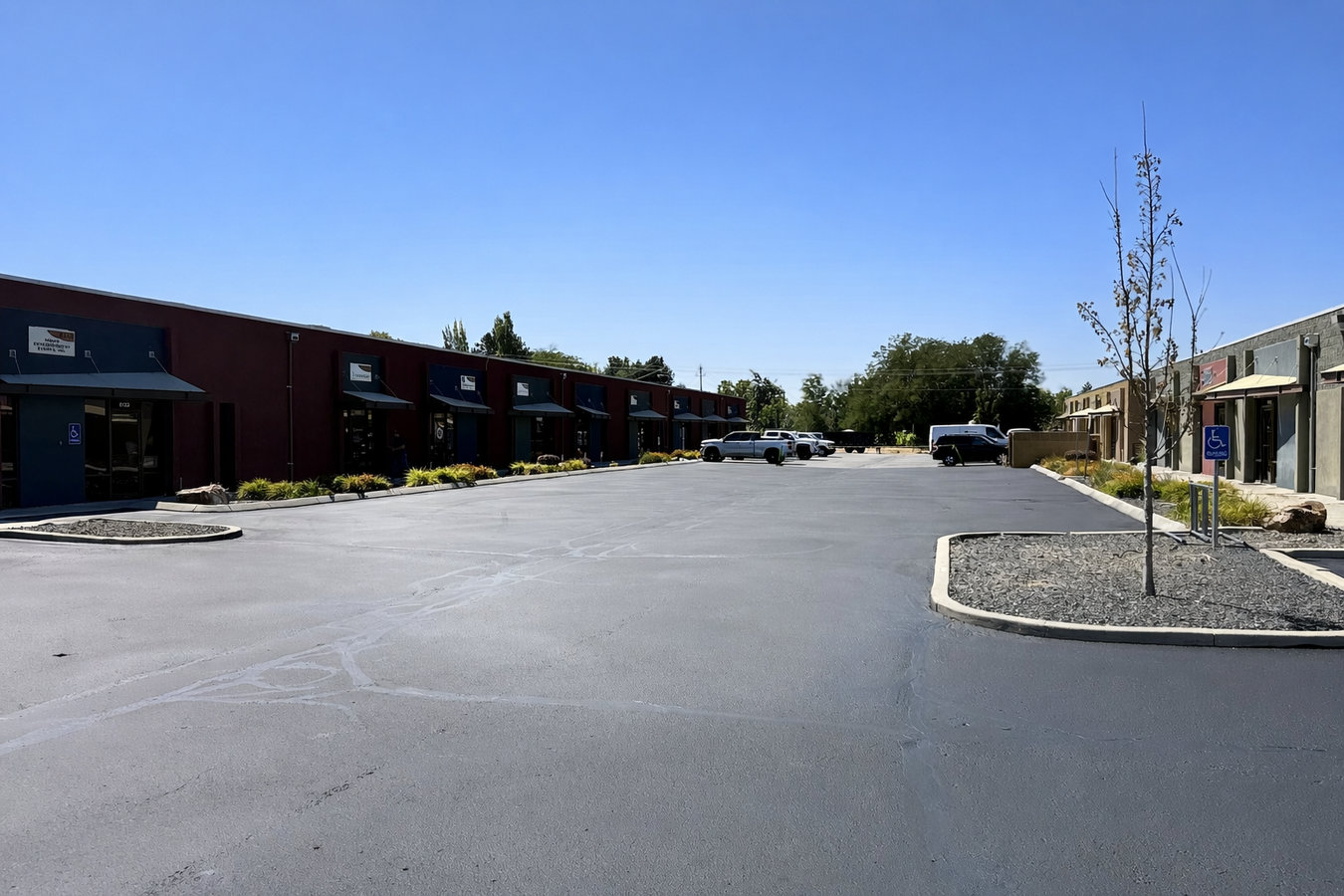
Old asphalt crumbling, cracked concrete pooling water, or no real parking at all? We build concrete parking lots in South Whittier that handle clay soils, LA County drainage rules, and decades of use - starting with a free on-site estimate.
Concrete parking lot building in South Whittier means removing whatever is on the ground now, preparing a compacted gravel base, and pouring a reinforced slab - most residential projects take two to five days of active work, with a seven-day minimum cure period before you can drive on the surface.
Most homeowners who contact us have an old asphalt surface that has finally given out, a bare gravel area that has been a muddy mess every winter, or an existing concrete lot that has cracked beyond repair. South Whittier developed heavily in the 1950s through 1970s, so many properties still have original paved surfaces from that era - surfaces that are now 50 or more years old and showing it.
Because South Whittier is unincorporated, permits for new paved surfaces go through Los Angeles County. If you are also building a garage or carport above the new surface, our concrete footings work handles the structural base that any attached structure will need.
If you have patched cracks in your parking area before and they keep reappearing, the surface is no longer structurally sound. In South Whittier, the clay soil underneath shifts with the seasons, and once a surface starts breaking up from that movement, patching becomes a losing battle. A full replacement is more cost-effective than continuing to repair.
Standing water on a parking surface means drainage was never correct or has worsened over time. In a region where heavy rain can arrive quickly, a surface that holds water is both a safety hazard and a source of ongoing damage to the slab underneath. Puddles that remain hours after rain stops are a clear sign the surface needs attention.
If you can feel bumps, dips, or raised edges when walking or driving across your parking area, the base underneath has shifted. This is common on older South Whittier properties where original base preparation was minimal. Uneven surfaces also create trip hazards, especially if anyone other than you uses the area.
Asphalt that has turned gray, brittle, and crumbly has reached the end of its useful life. Many South Whittier properties still have original asphalt surfaces from the 1970s and 1980s that are well past that point. Replacing with concrete means you are unlikely to need to address this surface again for 30 to 50 years.
We handle everything from straightforward residential parking areas - a clean slab for two or three vehicles next to a detached garage - to multi-space lots for small commercial properties or larger residential parcels. The right approach depends on how many vehicles the surface needs to hold, whether you expect passenger cars or heavier vehicles like trucks and trailers, and what the ground looks like underneath. A slab designed for passenger cars is typically four to six inches thick; anything heavier needs more. We ask those questions upfront so the slab is built for your actual use.
For properties converting from asphalt to concrete, we handle full demolition and haul-away of the old material before the new slab goes in. If your project includes an attached structure, our concrete driveway building service can connect the new lot to the street in one coordinated project, so everything matches and drains correctly.
Best for properties that need a permanent, organized parking area where no paved surface exists today.
For homeowners replacing aging or failed asphalt with a longer-lasting surface that requires less ongoing maintenance.
Right for properties that need more parking capacity added alongside an existing driveway or slab.
Suited to small businesses, multi-unit residential properties, and any commercial lot that sees regular vehicle traffic.
For existing concrete lots where cracking, settlement, or drainage problems have gone past the point of repair.
South Whittier sits on expansive clay soils common throughout the Los Angeles Basin. These soils absorb water during the rainy season and shrink back during the long dry summer - a cycle that puts real stress on any slab sitting on top of them. A contractor who does not account for this by compacting the base properly, placing the right thickness, and cutting control joints at the right spacing is setting the surface up to crack within a few years. That is not a worst-case scenario in this area - it is what happens when base work is skipped. Homeowners in Norwalk and Downey face the same soil conditions, and we work throughout both communities regularly.
Being an unincorporated community also means South Whittier has its own permitting reality. Permits and inspections go through the LA County Department of Public Works rather than a city building department - and LA County has specific stormwater rules about how rainwater runoff is managed on new paved surfaces. Southern California can go months without rain and then receive several inches in a single storm during an El Nino year. A parking surface that is not graded to drain correctly will hold water, damage the slab, and create a hazard. We design drainage into every project and handle the county permit process from start to finish.
When you call, we will ask about the size of the area, what is there now, and what you plan to use it for. We schedule a site visit before giving you a price - the condition of the ground and existing surface affects cost significantly. You receive a written estimate breaking out demolition, base preparation, concrete, and permits.
Because South Whittier is unincorporated, your permit goes through the LA County Department of Public Works before any equipment arrives. We handle the application and factor the permit timeline into your project schedule. Permit review can take a few days to a few weeks depending on project complexity.
The crew removes old pavement or overgrown ground and hauls it away. They then grade the surface for drainage - typically a one to two percent slope - and compact a gravel base layer that gives the concrete a stable foundation. This step, which takes one to two days, determines whether your surface lasts.
Concrete trucks arrive and the crew pours, spreads, and finishes the surface in a single day for a residential-scale lot. Control joints are cut in while the concrete is still workable. Stay off the surface for at least seven days after the pour, and avoid heavy vehicles for the full 28-day cure period.
Free on-site estimate. We handle the LA County permit. No pressure, no obligation.
(562) 586-9375We carry a current California contractor license - verifiable on the CSLB website in minutes. Every parking lot project is covered by liability insurance from start to finish, giving you protection whether we are removing old asphalt or pouring a fresh slab.
South Whittier sits on expansive clay that swells and contracts with every wet-dry cycle. We remove unstable soil, compact a proper gravel base, and cut control joints at the correct spacing - because skipping those steps is the most common reason parking lots crack prematurely in this area.
South Whittier is unincorporated, so permits go through LA County rather than a city. We have pulled permits through this office many times, handle the application from start to close, and schedule any required inspections so the process does not fall on you.
Southern California can go months without rain and then get hit with a heavy storm in hours. We design every surface with the right slope and drainage path so water moves off quickly - keeping your lot safe and protecting the slab from the water damage that comes with standing water.
A concrete parking lot is one of the most visible improvements on a South Whittier property - and one of the longest-lasting when it is built correctly from the ground up. Every project we take on gets the same attention to base preparation, drainage, and permit compliance, because those are the things that determine whether you are calling us back in five years or in fifty.
Verify our license at the California Contractors State License Board. Concrete parking lot design standards are published by the American Concrete Institute. LA County stormwater requirements for paved surfaces are explained at the LA County Stormwater Program.
If your new parking area connects to a garage or carport, properly sized footings are the starting point for a structure that lasts.
Learn morePair your new parking lot with a matching concrete driveway for a clean, consistent surface from the street to your property.
Learn moreSouth Whittier winters can expose every drainage problem in an aging surface - call now and we will have your new lot in place before the storms hit.